What Non-GMO Project Verified can and cannot tell Dayton shoppers
A Non-GMO Project Verified label can answer one specific question about a product, but it should not become a test of whether a family is making a “good” food choice. At Hall Hunger Initiative, we want neighbors to have clear information about labels while recognizing that price, access, freshness, household preferences, and available benefits matter too. Food literacy should help people make choices, not shame anyone for buying what is affordable and available.
Start with what the label means
Non-GMO Project Verified is a third-party verification mark. Products carrying it are evaluated against requirements in the Non-GMO Project Standard and its Product Verification Program.
It is not a USDA or FDA certification, and the label does not establish that a food is automatically healthier, safer, or more nutritious than another product.
The practical use of the label is narrower: it tells shoppers that a product has gone through the Project’s verification process for GMO avoidance.
That can matter to a shopper who has decided GMO avoidance is one of their purchasing priorities. It does not replace the ingredient list, Nutrition Facts panel, allergen information, or the family budget.
Know the difference from bioengineered disclosure
USDA’s National Bioengineered Food Disclosure Standard uses the term “bioengineered” for required disclosure on foods that meet the federal definition.
USDA consumer guidance is explicit that terms such as GMO and genetic engineering may appear in marketing, while disclosures under the federal Standard use “bioengineered.” USDA also says the disclosure does not communicate health, safety, or environmental attributes compared with non-bioengineered counterparts.
That means a voluntary non-GMO verification and a federal bioengineered disclosure serve different purposes.
A shopper may see text, symbols, or other disclosure methods on regulated foods. Some foods and food-service settings fall outside the federal disclosure requirement, so the absence of a symbol should not be treated as a universal statement about how every ingredient was produced.
Food labels should not shame families
A label can help answer a preference question. It cannot answer whether a product fits tonight’s budget, whether a child will eat it, whether transportation makes another store realistic, or whether the family has enough food for the week.
Those questions matter in food security.
We encourage neighbors to use labels as information, not as moral rankings. Choosing a lower-cost item without a voluntary verification mark does not mean a family is careless about health or quality.
For households using SNAP, the first priority may be stretching benefits across enough meals. That is a valid part of food decision-making.
Pair label literacy with fresh-food access
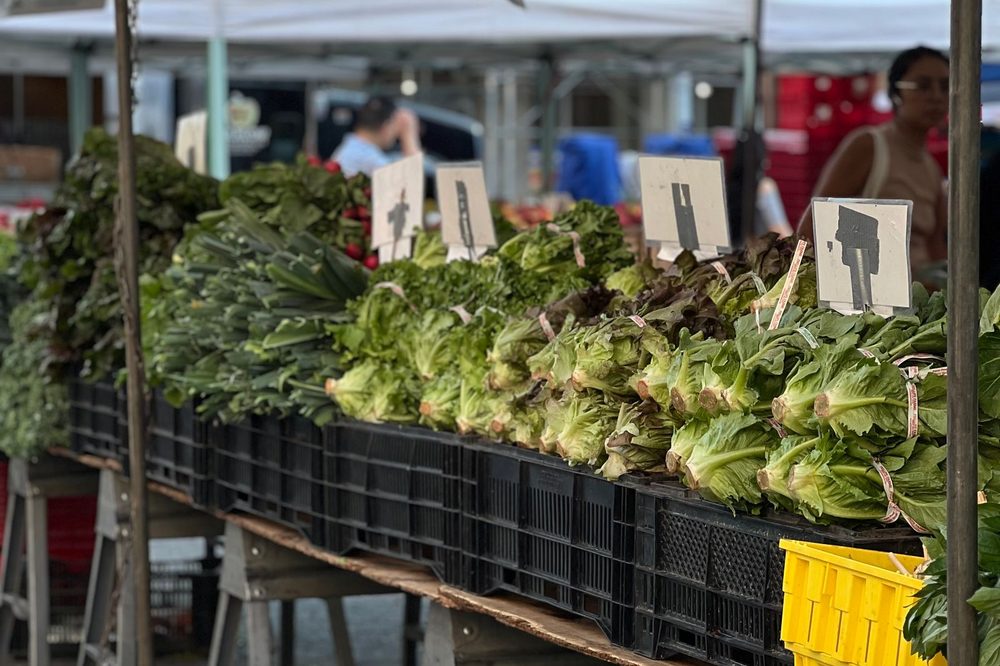
Families using SNAP can also stretch produce dollars through Produce Perks at participating Ohio locations. That kind of access support addresses a different question from package labeling: whether fresh fruits and vegetables are financially within reach.
Local food access can include farmers markets, grocery stores, food partners, pantries, and other community resources.
A shopper does not have to choose between learning labels and using those supports. Both can be useful, especially when the goal is a reliable food supply rather than a perfect cart.
Questions to ask before paying more
If one product costs more because of a label or certification, pause before assuming the higher price automatically creates more value for your household.
A practical comparison can include:
- price per usable serving;
- ingredients and allergen needs;
- freshness and likely food waste;
- whether the item is SNAP-eligible;
- how the product fits meals your household actually eats.
Those questions keep the decision grounded in daily use.
The same approach applies to organic, local, specialty, and other food claims. Read what the claim actually covers before paying a premium for benefits the label does not promise.
What we want readers to take away
We want neighbors to understand verified food claims without fear or pressure. Non-GMO Project Verified communicates participation in a private verification program. USDA bioengineered disclosure follows a federal standard with a different definition and purpose.
Neither label should distract from the larger challenge of food security: reliable access to enough nourishing food for every neighbor.
For Dayton families, information is most useful when it works alongside affordability, dignity, SNAP access, fresh-food options, and the realities of daily life.